Fixed Departure 2026:
- 11 July until 4th August
- 6th August until 30 August
- 15th August 8 September

Fixed Departure 2026:
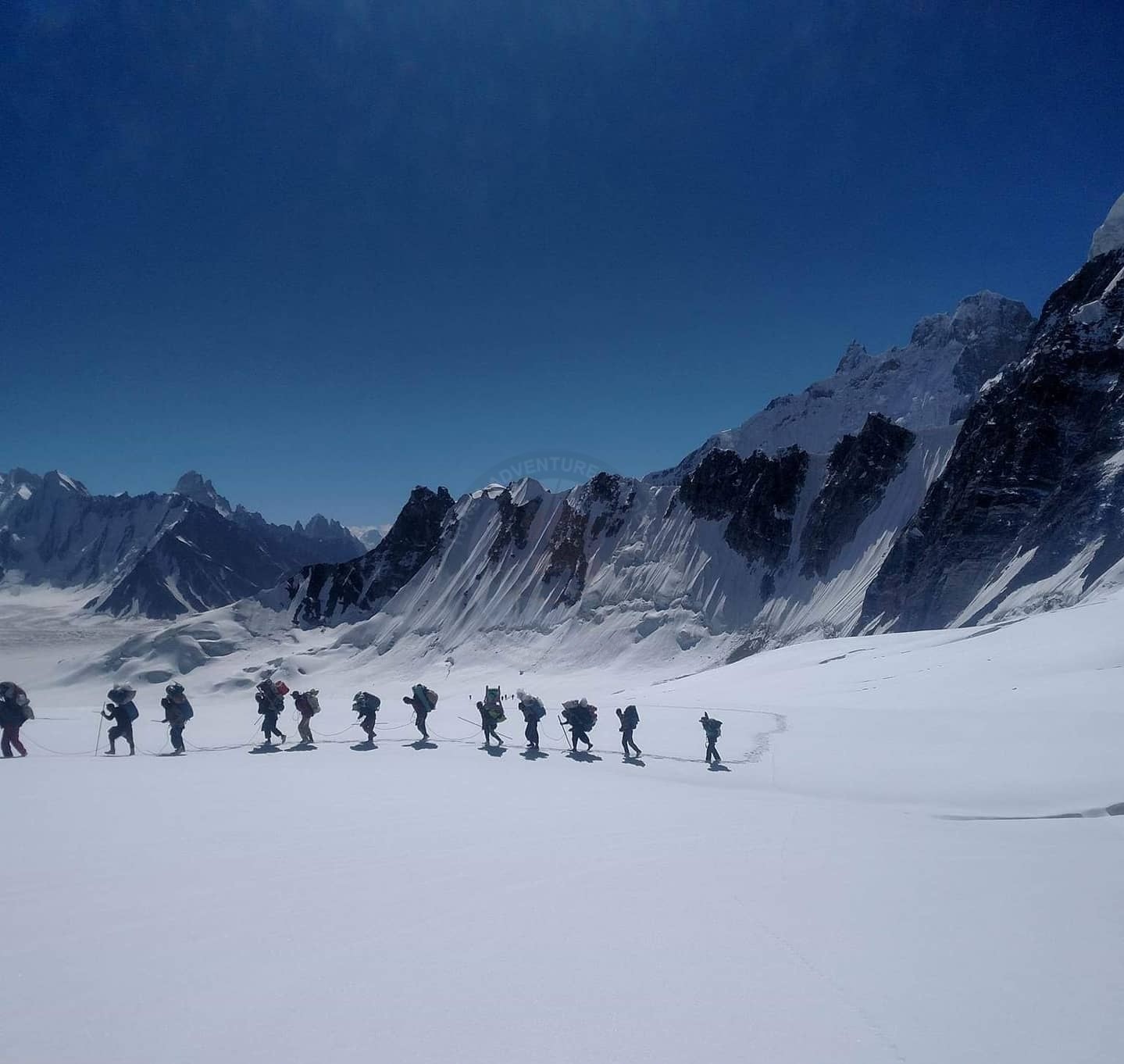
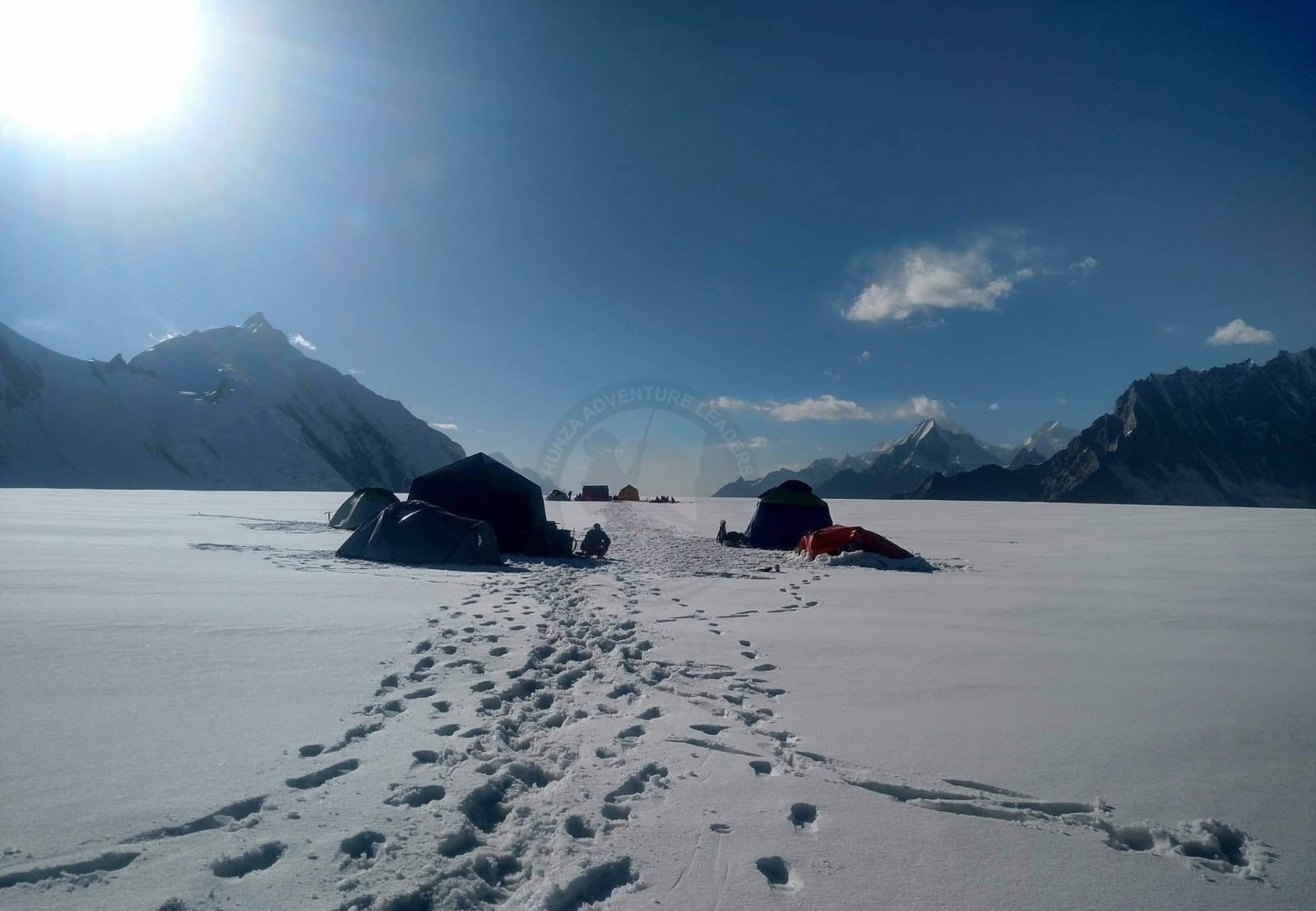
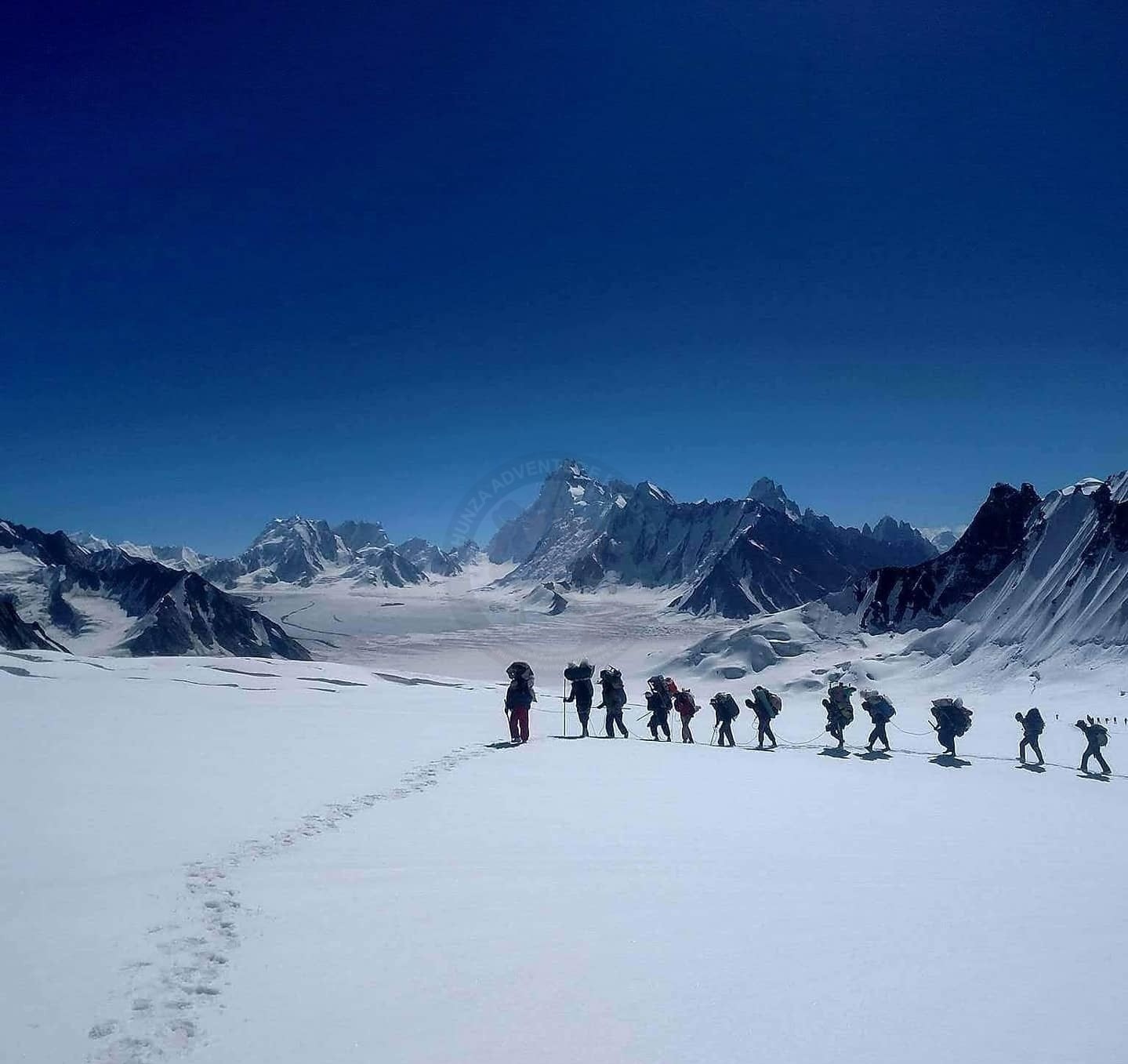
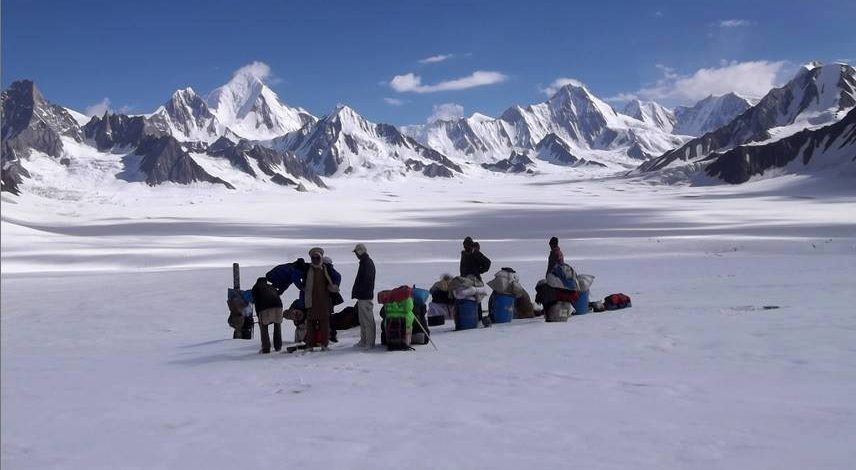
The Biafo–Hispar and Snow Lake Trek is one of the most spectacular high-altitude treks on Earth—an unforgettable journey across the largest expanse of glacial ice outside the polar regions. Spanning approximately 110 km, this challenging 25-day expedition traverses two massive glaciers—Biafo Glacier (63 km) and Hispar Glacier (49 km)—which converge at Hispar La Pass (5,151m). Together, they form an extraordinary ice corridor linking the ancient mountain kingdoms of Baltistan in the east and Hunza in the west.
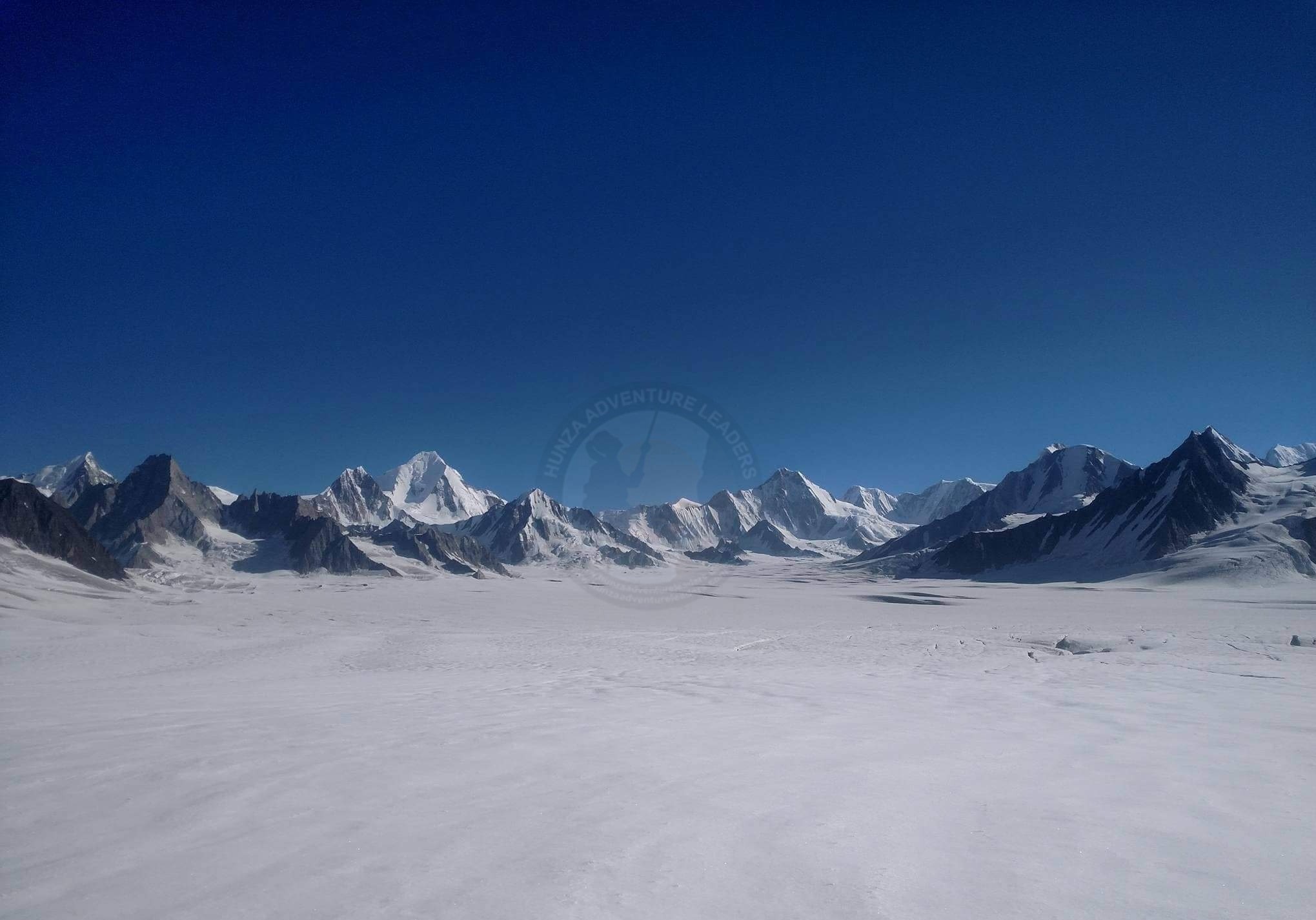
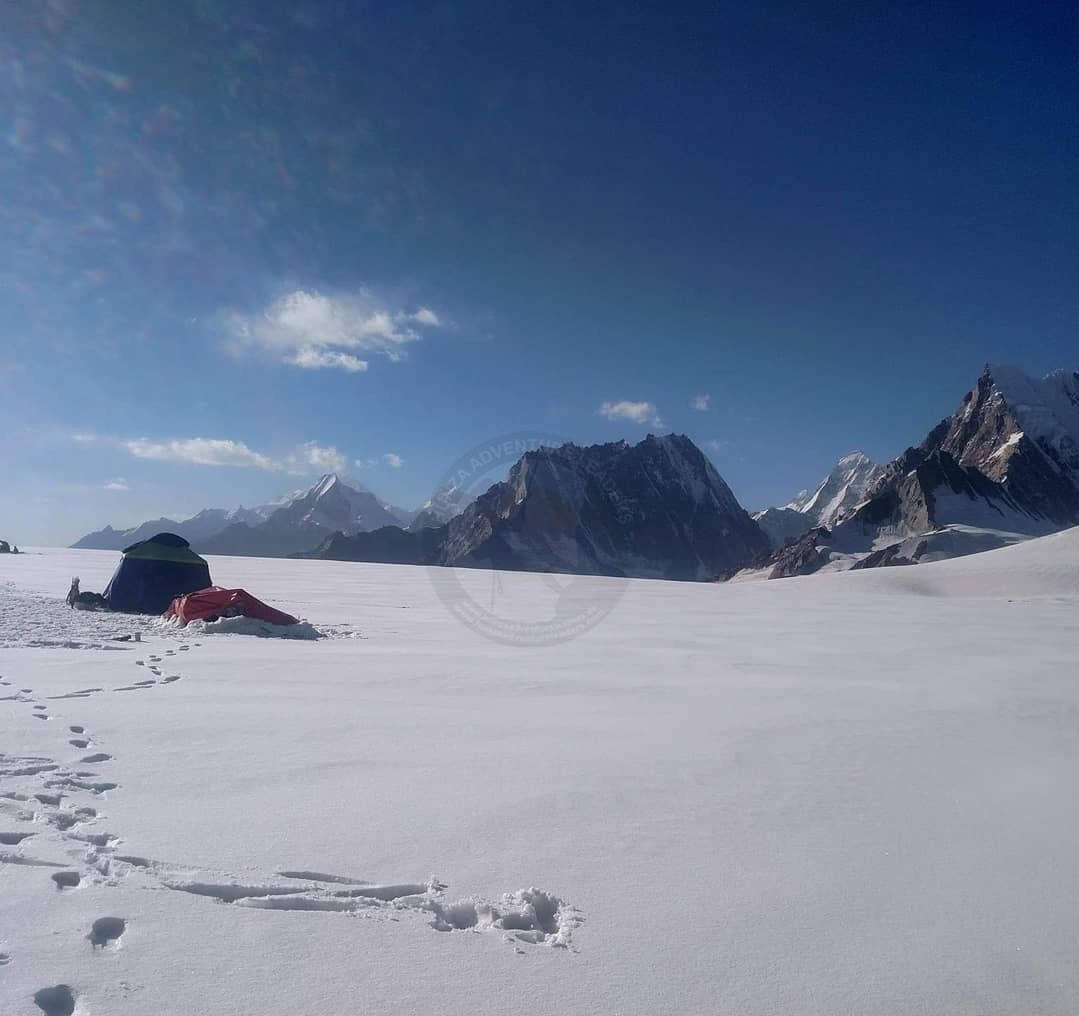
At the heart of this trek lies Snow Lake (locally known as Lukpe Lawo)—a vast, remote glacial basin measuring 16 km across, located at an elevation of around 4,877 meters (16,000 feet). First named by explorer Martin Conway in 1892, Snow Lake was described as “beyond all comparison the finest view of mountains it has ever been my lot to behold.” Decades later, mountaineer Eric Shipton would call it “the last blank on the map.”
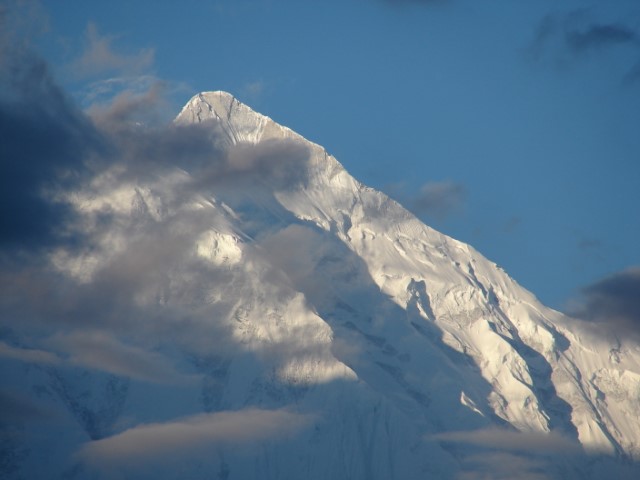
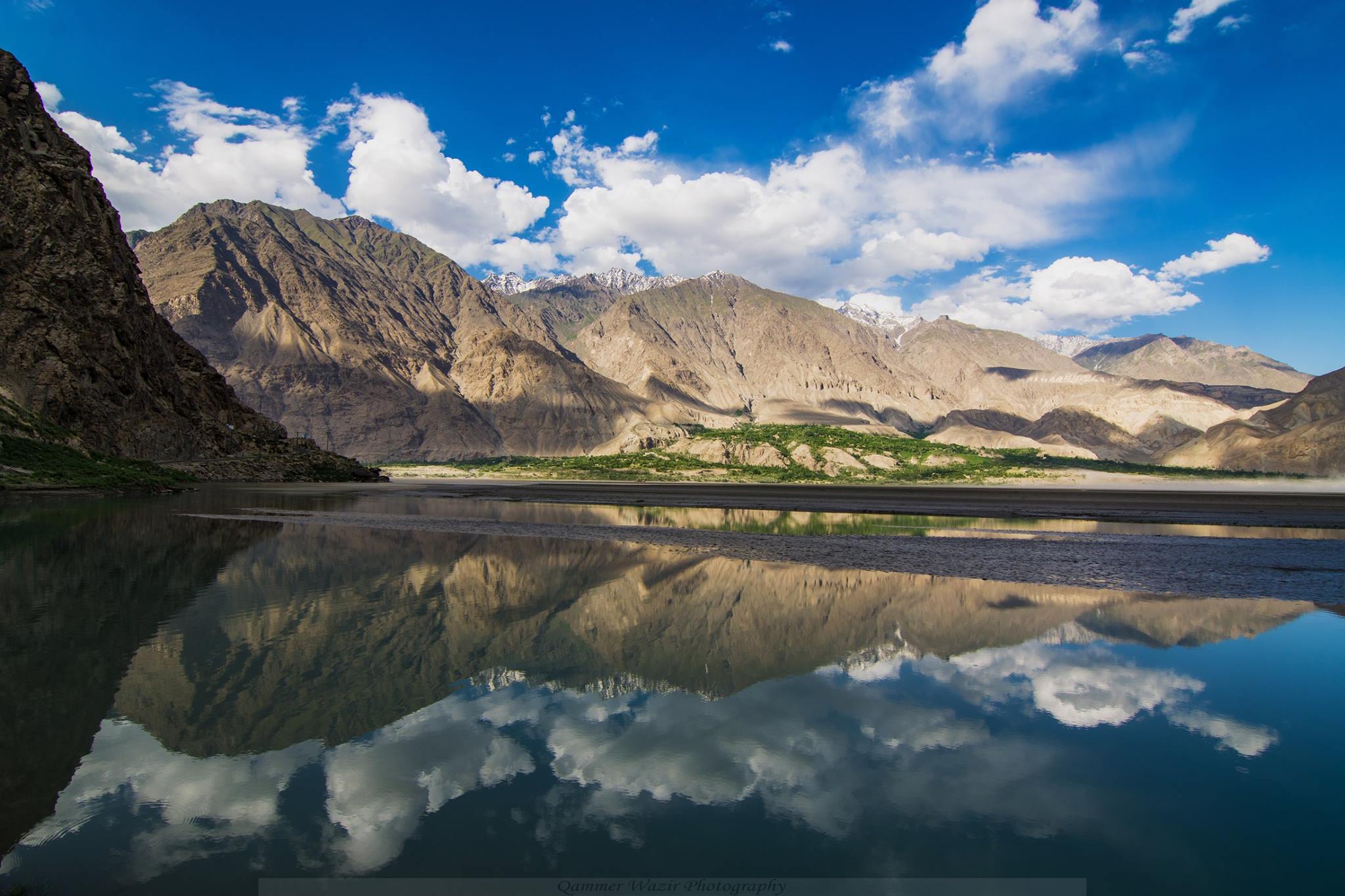
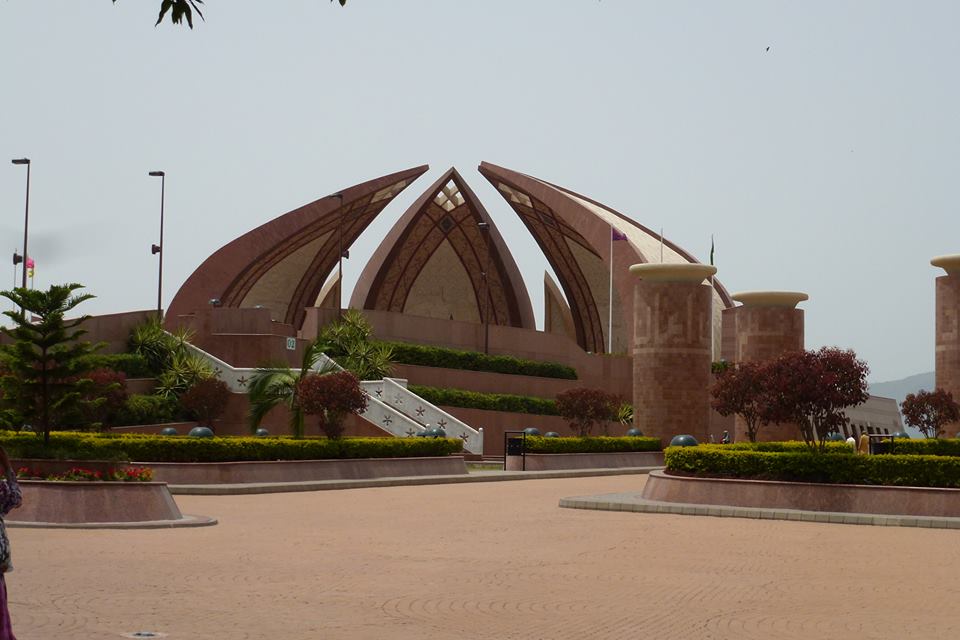
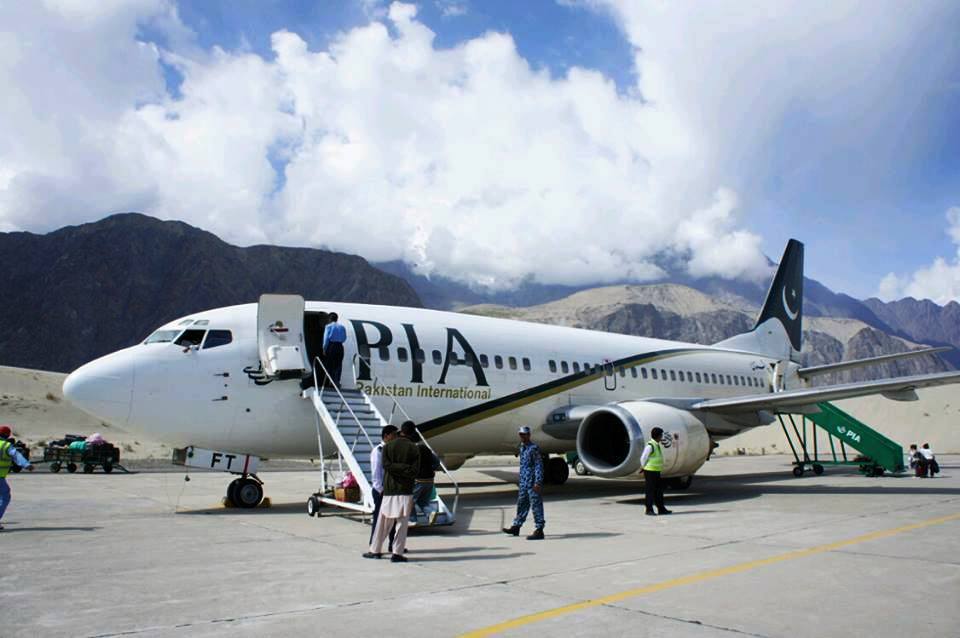
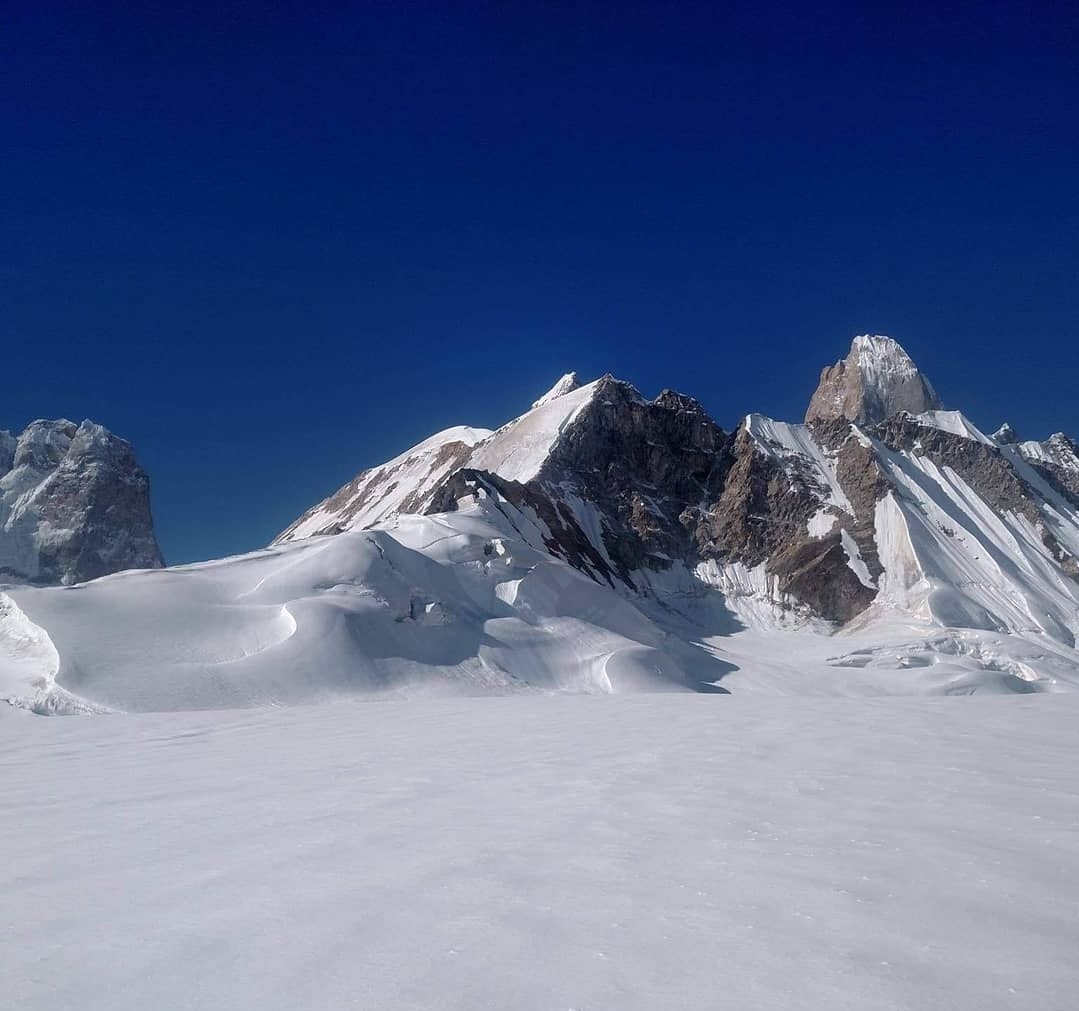
Starting from Islamabad, the journey proceeds by air to Skardu, then continues by jeep through Shigar Valley to the village of Askole. From here, the trail follows the snout of the Biafo Glacier, camping in scenic spots like Namla, Mango, and Baintha, before reaching Snow Lake. Surrounded by mighty Karakoram giants such as Kanjut Sar (7,760m), Disteghil Sar (7,885m), Makrong Chhish (6,607m), and the famed Latok group, the panorama is overwhelming. Nearby stands the iconic Ogre Peak (7,285m)—first climbed in 1977 by Doug Scott and Chris Bonington, whose dramatic descent is now part of climbing lore.
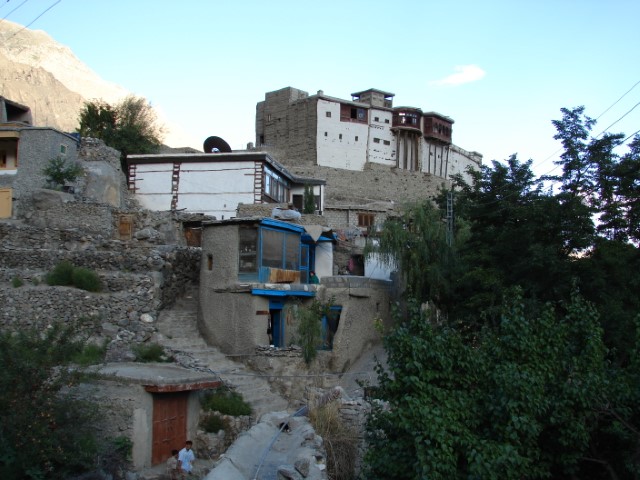
Crossing Hispar La, trekkers descend into the Hispar Valley, eventually reaching the cultural gem of Hunza, known for its Baltit and Altit Forts, and the high-mountain pass of Khunjerab. The return journey offers views of Rakaposhi and a final night in Islamabad.
Although the trek is strenuous, no technical climbing skills are required—just stamina, acclimatization, and a sense of adventure. Participants hike 6–8 miles per day, over rubble, glacial moraine, and icy terrain. Only around 200 trekkers per year complete this legendary route, making it one of the most exclusive and awe-inspiring treks in the world.
Islamabad-Karakoram